What is PRP?
What is PRP?
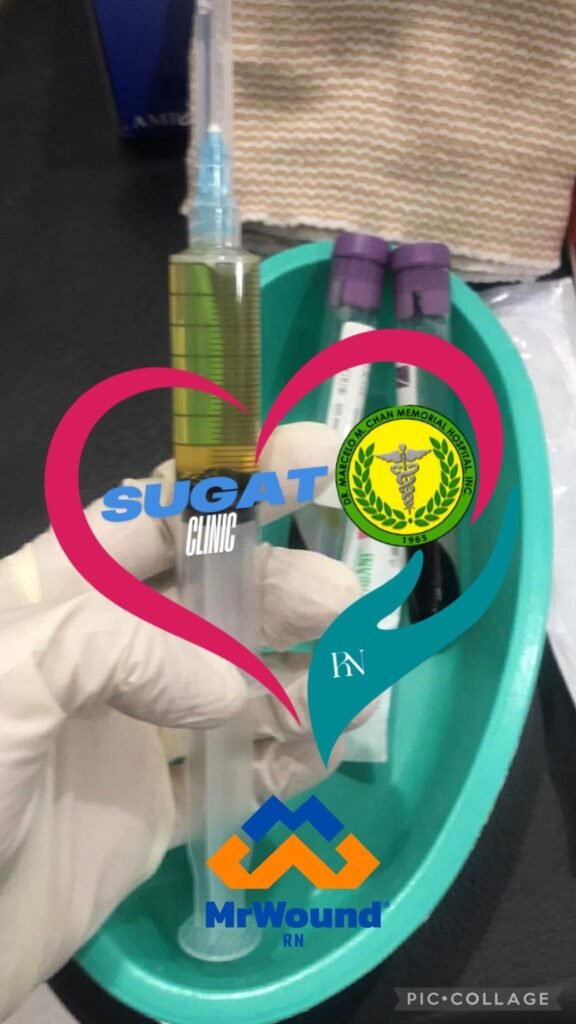
· Autologous Blood Product: Made from a patient’s own blood, centrifuged to concentrate platelets.
· Growth Factor Concentrate: Contains 3-7 times the normal concentration of platelets, releasing key healing proteins (PDGF, VEGF, TGF-β, EGF).
Paano ito gagawin?
Kukuhanan ng dugo ang patient at ilalagay sa pang PRP na tube at papaikutin sa centrifuge para ma separate ang platelet rich plasma at ituturok at ibabad sa sugat.
Walang risk ng rejection at disease transmission kasi SARILING DUGO NG PATIENT ANG GAGAMITIN.
How It Works in Chronic Wounds
· Jumpstarts Stalled Healing: Chronic wounds have a deficient growth factor environment; PRP replenishes this critical signaling.
· Multi-Target Action: The released growth factors and cytokines work to:
· Reduce excessive inflammation.
· Stimulate new blood vessel formation (angiogenesis).
· Promote fibroblast activity for collagen production.
· Encourage the growth of new tissue (granulation) and skin cells (epithelialization).
What Does the Evidence Say?
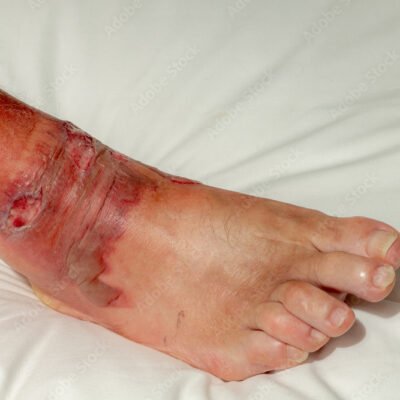
· Strongest Support for Diabetic Foot Ulcers (DFUs): Multiple studies and meta-analyses show PRP significantly improves healing rates and closure times when added to standard care.
· Promising for Other Wounds: Evidence is growing for venous leg ulcers and pressure injuries, though results are more variable. It shows benefits in reducing wound size and promoting granulation tissue.
· Generally Safe: As an autologous product, the risk of allergic reaction or disease transmission is extremely low.
Key Advantages of PRP Therapy
· Natural & Personalized: Uses the body’s own healing mechanisms.
· Adjunctive Therapy: Works alongside (not a replacement for) foundational care like debridement, offloading, and infection control.
· Point-of-Care Treatment: Can be prepared and applied in the clinic during a single visit.
Important Considerations & Limitations
· Not a Magic Bullet: Success depends entirely on addressing the wound’s underlying cause (e.g., pressure, venous insufficiency, glucose control).
· Lack of Standardization: PRP preparation methods vary widely, affecting platelet concentration and leukocyte content, which can influence outcomes.
· Requires Expertise: Proper application technique (often as a gel or via injection) is crucial for effectiveness.
· Cost & Access: May not be covered by all insurance plans and requires specific equipment.
The Bottom Line for Patients
· PRP is a powerful advanced tool in the wound care specialist’s arsenal, especially for diabetic ulcers that are not healing with standard care.
· It harnesses your body’s natural healing potential in a concentrated form.
· A thorough evaluation by a wound care team is essential to determine if you are a good candidate, as comprehensive wound management remains the cornerstone of treatment.
Thanks doc Pavo for this initiative